
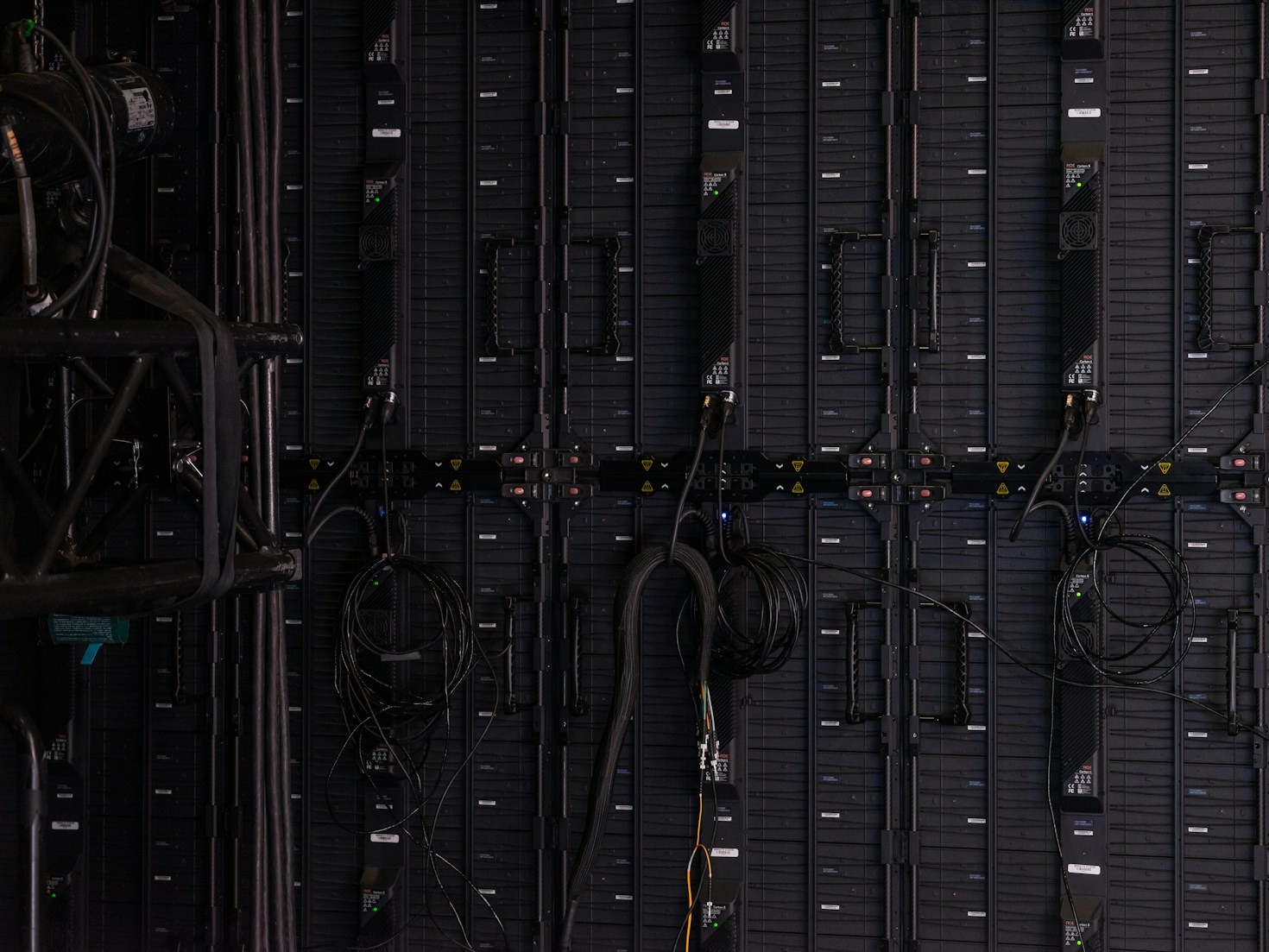
Building a Homelab Nodes allows technology enthusiasts to experiment with servers, virtualization, networking, and automation in a controlled environment. As projects grow, managing multiple systems becomes more challenging. Without proper organization, even small setups can become difficult to maintain and troubleshoot. Effective homelab node management helps create a more reliable and efficient environment.
Many homelab users begin with a single machine and gradually expand into clusters, containers, and multiple services. This growth increases flexibility but also introduces additional complexity that requires planning and monitoring.A stable environment depends on more than powerful hardware. Consistency, maintenance routines, and resource planning often have a greater impact on long-term reliability than raw performance alone.
Building a Strong Foundation for Your Infrastructure
One of the first steps in successful homelab node management is creating clear documentation. Recording hardware specifications, network addresses, and service assignments makes troubleshooting significantly easier. Naming conventions also improve organization. Simple and consistent labels help users quickly identify devices and understand their roles within the environment.


Resource allocation should be reviewed regularly. Memory, storage, and processing capacity need to be distributed carefully to avoid bottlenecks and unnecessary overhead.
Monitoring and Maintenance Improve Homelab Nodes Reliability
Continuous monitoring is an important part of homelab node management. Tracking temperatures, storage health, and system utilization allows issues to be identified before they become major problems.
Automated alerts can help administrators respond quickly to unusual behavior. Early warnings often prevent downtime and reduce recovery efforts.
Software updates are another important consideration. Keeping operating systems and applications current improves security while reducing compatibility issues.
Backup strategies should never be overlooked. Even experimental environments can contain valuable configurations and important project data that deserve protection.
Homelab node management also benefits from workload separation. Distributing services across multiple systems reduces the impact of individual failures and improves flexibility.
Power management contributes to both performance and operational costs. Efficient scheduling and resource optimization can reduce unnecessary energy consumption.
Network planning becomes increasingly important as environments expand. Organized segmentation and clear routing structures simplify administration and improve security.
Virtualization technologies can further improve efficiency by allowing multiple services to share hardware resources while remaining isolated from one another.
Testing changes before deploying them broadly helps maintain stability. Small adjustments are easier to reverse if unexpected problems occur.
Homelab node management becomes easier when routine tasks are automated. Scripts and management tools reduce repetitive work and improve consistency across systems.
In the end, a successful Homelab Nodes is not defined by the number of devices it contains but by how well those devices work together. Careful planning, regular maintenance, and thoughtful organization create an environment that remains stable, efficient, and enjoyable to operate over time.