
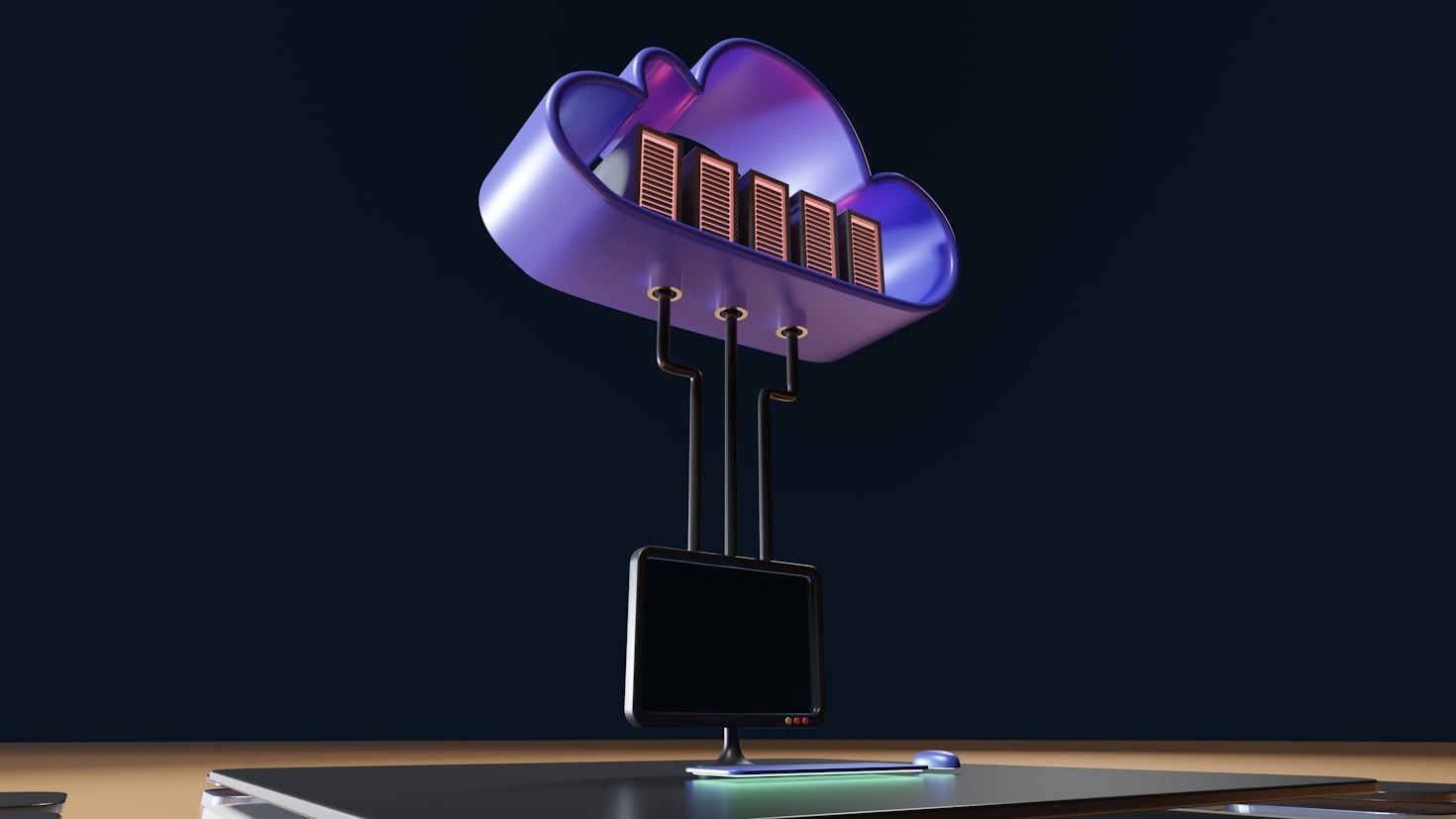
As computing needs continue to grow Efficient servers, many businesses and technology enthusiasts face the challenge of deploying reliable infrastructure in limited spaces. Offices, laboratories, and home environments often require powerful systems without the luxury of large server rooms. This has increased interest in solutions that balance performance with physical efficiency. The rise of compact server design demonstrates how modern hardware can adapt to these requirements.
Building servers in smaller environments requires careful planning. Every component must contribute to performance while minimizing heat generation, power usage, and space consumption. Advances in hardware technology have made it possible to achieve impressive processing capabilities in systems that occupy only a fraction of the space once required by traditional equipment.
Planning for Space and Performance
Successful compact server design begins with understanding workload requirements. Identifying expected applications and resource demands helps determine the most appropriate hardware configuration. Choosing the right processor, memory capacity, and storage solutions can prevent unnecessary expansion while maintaining room for future growth.


Energy efficiency should also be considered during the planning phase. Lower power consumption often reduces cooling requirements and operating expenses over time.
Efficient Servers to Cooling and Maintenance Strategies Matter
Thermal management plays a critical role in compact server design. Smaller environments can trap heat more easily, making airflow optimization essential for long-term reliability.
Strategic placement of components helps improve circulation and maintain stable operating temperatures under heavy workloads.
Compact server design also benefits from modern storage technologies. Solid-state drives generate less heat and occupy less physical space than many traditional alternatives.
Cable organization contributes to both cooling performance and maintenance efficiency. Clean layouts simplify upgrades and reduce airflow restrictions inside enclosures.
Noise management may become important in office or residential environments. Selecting quieter components can improve comfort without sacrificing functionality.
Compact server design often incorporates virtualization technologies to maximize hardware utilization. Running multiple services on fewer machines improves efficiency while reducing physical requirements.
Remote management capabilities provide additional convenience. Administrators can monitor performance, apply updates, and troubleshoot systems without direct physical access.
Scalability should remain part of the planning process. Even small environments may eventually require additional resources as projects and workloads expand.
Reliability can be improved through redundancy in critical areas such as storage and networking. These precautions help minimize downtime during hardware failures.
Routine monitoring remains essential regardless of system size. Tracking temperatures, resource usage, and hardware health allows issues to be addressed before they affect operations.
Efficient servers design demonstrates that powerful infrastructure does not always require large facilities. Careful component selection and efficient layouts can produce excellent results in limited spaces.